The Mandarin Oriental in Brickell Key — Why Miami Was Always the Only Spot for It
It all started in 2009 when I had the listing for 88 La Gorce Circle and 64 La Gorce Circle. Times were tough, things weren't selling, Miami Beach was more transient and you could still buy top notch waterfront property for under $5,000,000.
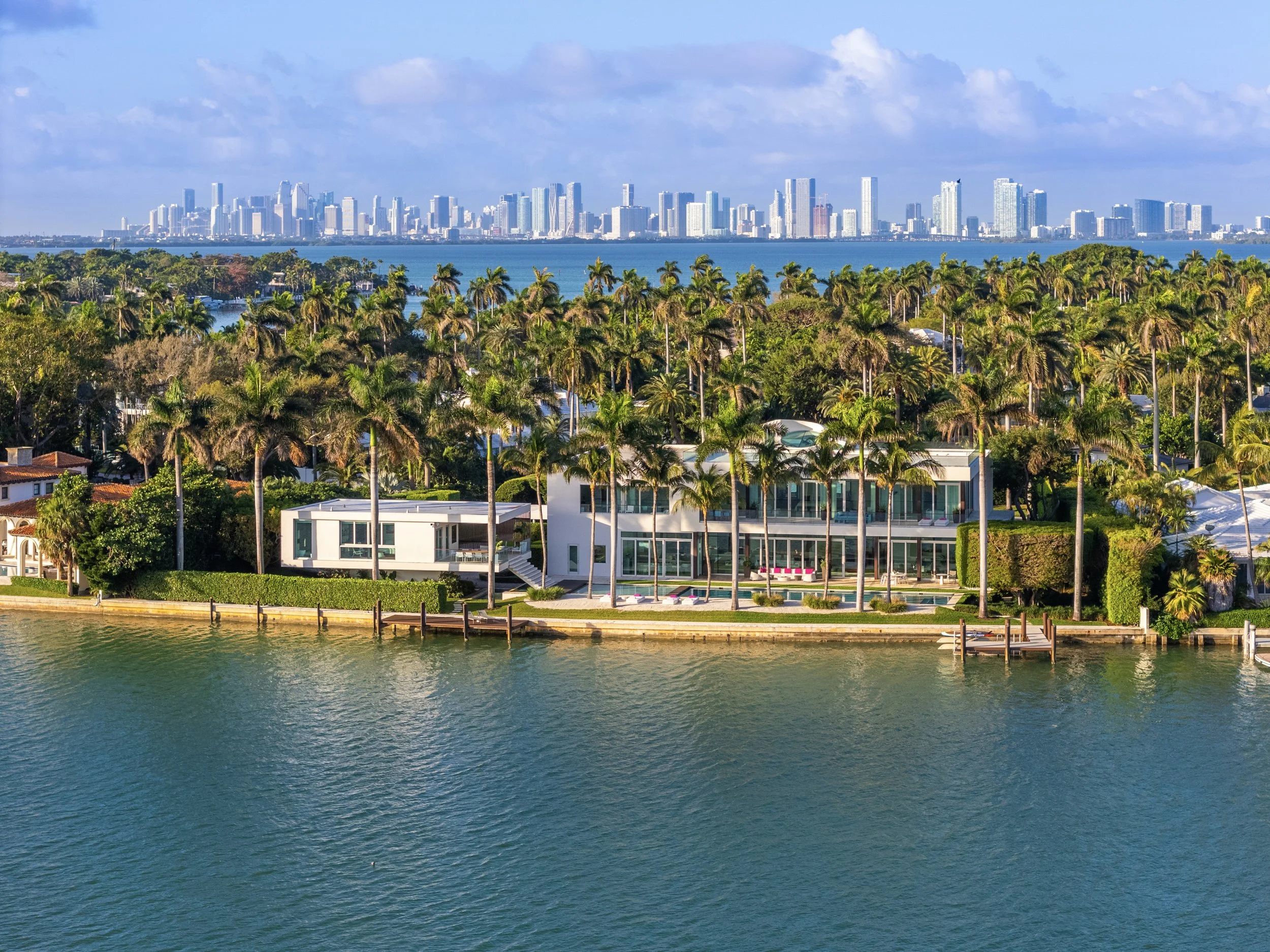
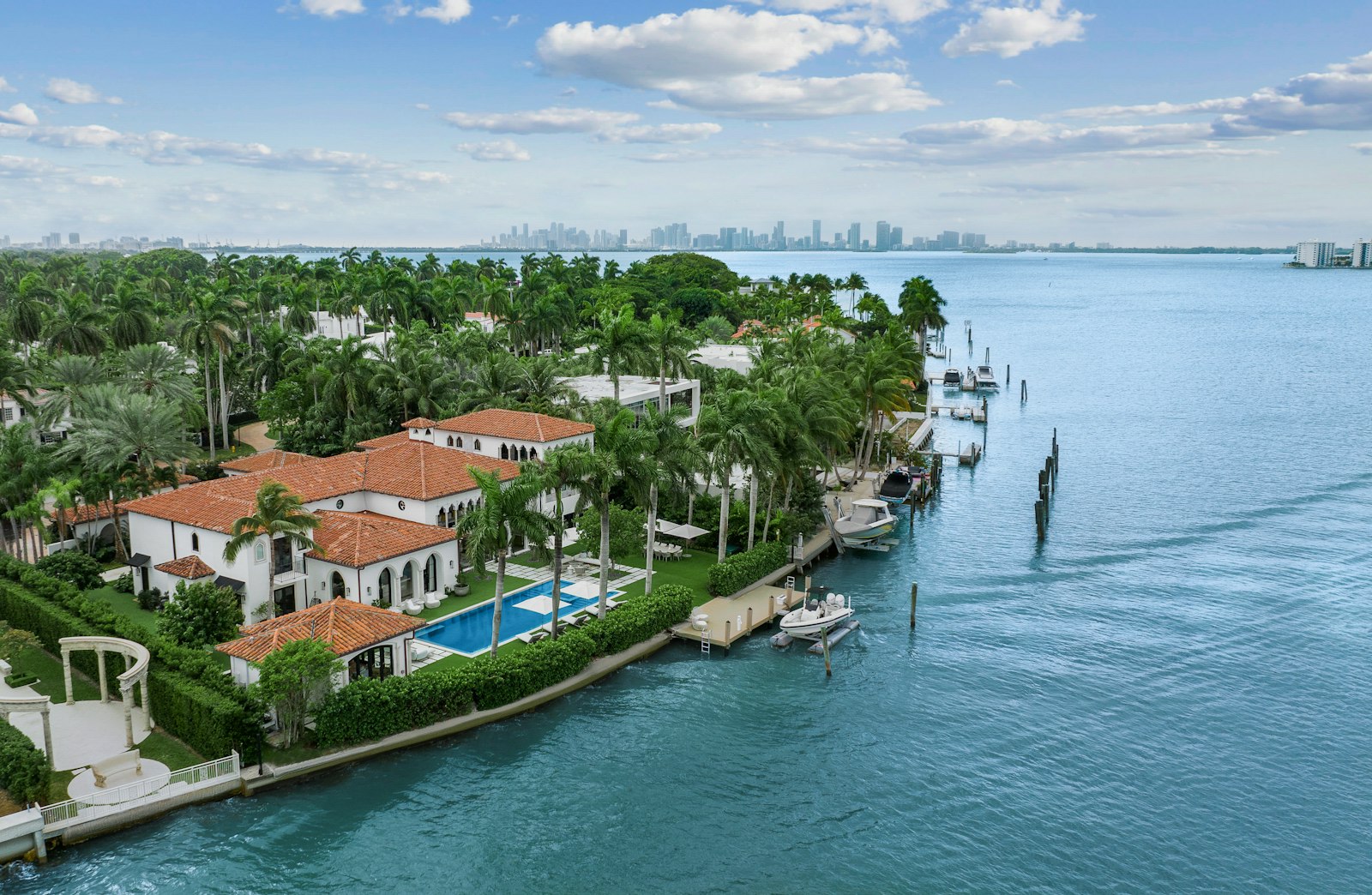
Todd Glaser, owner of the two La Gorce Circle properties, brought in Sharron Lewis and challenged her to furnish both houses in 30 days. She delivered — and more. We rented both properties until they were ready to sell.
Sharron Lewis passed in March 2011, barely two years after we delivered those La Gorce houses together. Born in New Zealand. Settled in New York after her studies. Then Miami in 1999, where she founded Sharron Lewis Design Central. She was the kind of designer who actually delivered on impossible deadlines, and the kind of person who made you better for working with her. Two of my favorite memories working on those homes were watching Sharron hustle and bustle with a spoon full of sugar like Mary Poppins on those two La Gorce jobs.
Apparently there was a big market we hadn't seen: wealthy business owners, celebrities, athletes, musicians — people who wanted to pay a premium to rent a Miami Beach house instead of forking over millions of dollars to buy one. At the time people preferred to wait and see. Decisions they probably regret today.
For example, 88 La Gorce Circle sold for $15.7m in June of 2010 and it just sold again for $74,250,000 in March of 2025.
However what no one knows is that while it waited to be sold back in 2009 I had it rented for $90,000.00 per month with the right to show with a 24 hour notice, a 60 day kick out clause, and a right of first refusal. The people involved apparently also forgot... another story I might tell some day.
Between Glaser's brilliance and balls of steel, Sharron's talent and professionalism, and my ability to make things happen, we opened up a gap in the rental game in Miami Beach that nobody had filled before.
Before you knew it, I was getting calls left and right about renting everyone's home and I took it in stride. Some good experiences some not so much.
The Story of La Gorce Island
The OKTO buyer in 2025 was hedge fund manager Nick Maounis (Verition Fund Management, $12.6B AUM). Maounis then bought 84 La Gorce next door for another $31.5 million to control his neighbor.
At 64 La Gorce, Cher's old place followed its own arc. She'd bought it for $1.5 million in 1993 and sold for $4.35 million in 1996. Todd bought it in June of 2006 for $9,700,000, and then I rented and managed it until I sold it off market in December 2017 for $15,500,000 — to the same tenant who was paying $90,000 per month at 88 La Gorce. He sold it to Keith Menin (a total steal, which I wasn't involved in) in 2020 for $17 million. Menin did a renovation, the Spanish-contemporary estate was relisted, and it sold in November of 2023 for $35,350,000 to Brent Saunders — CEO of Bausch + Lomb and the former Allergan chairman who sold the Botox company to AbbVie for $63 billion.
Down the street, developer James Curnin sold his estate at $60 million — a record $6,224 per square foot for Miami Beach single-family. Jorge and Patricia Mattos sold 68 La Gorce at $32.7 million. The Pearce compound at 16, 18, 22 and 24 La Gorce — three acres, four parcels, roughly 600 feet of waterfront — listed in 2022 at $170 million. It closed in 2024 as a $122 million split: Ideavillage founder Anand Khubani took 18, 22, and 24 for $100 million, and Bowery Properties' Tommy Neary picked up 16 for $22 million.
In 2009 those addresses couldn't move. Today they're benchmarks. The story of La Gorce Island — and of Miami Beach — is the story of what fifteen years of patient supply-and-demand does to a corridor that started luke warm and ended generational.
Around 2011 I had a good friend in the business, Gina Kirkpatrick. She was a good realtor and was a great person. She took notice of what I had been doing with the rentals and she introduced me to the owner of 420 W San Marino Drive on the Venetian Islands. I was hired by this owner who had the knowledge, instinct, and intelligence to buy a lot with an amazing view in 2006 and build a brand new contemporary home before anyone knew what was going on.
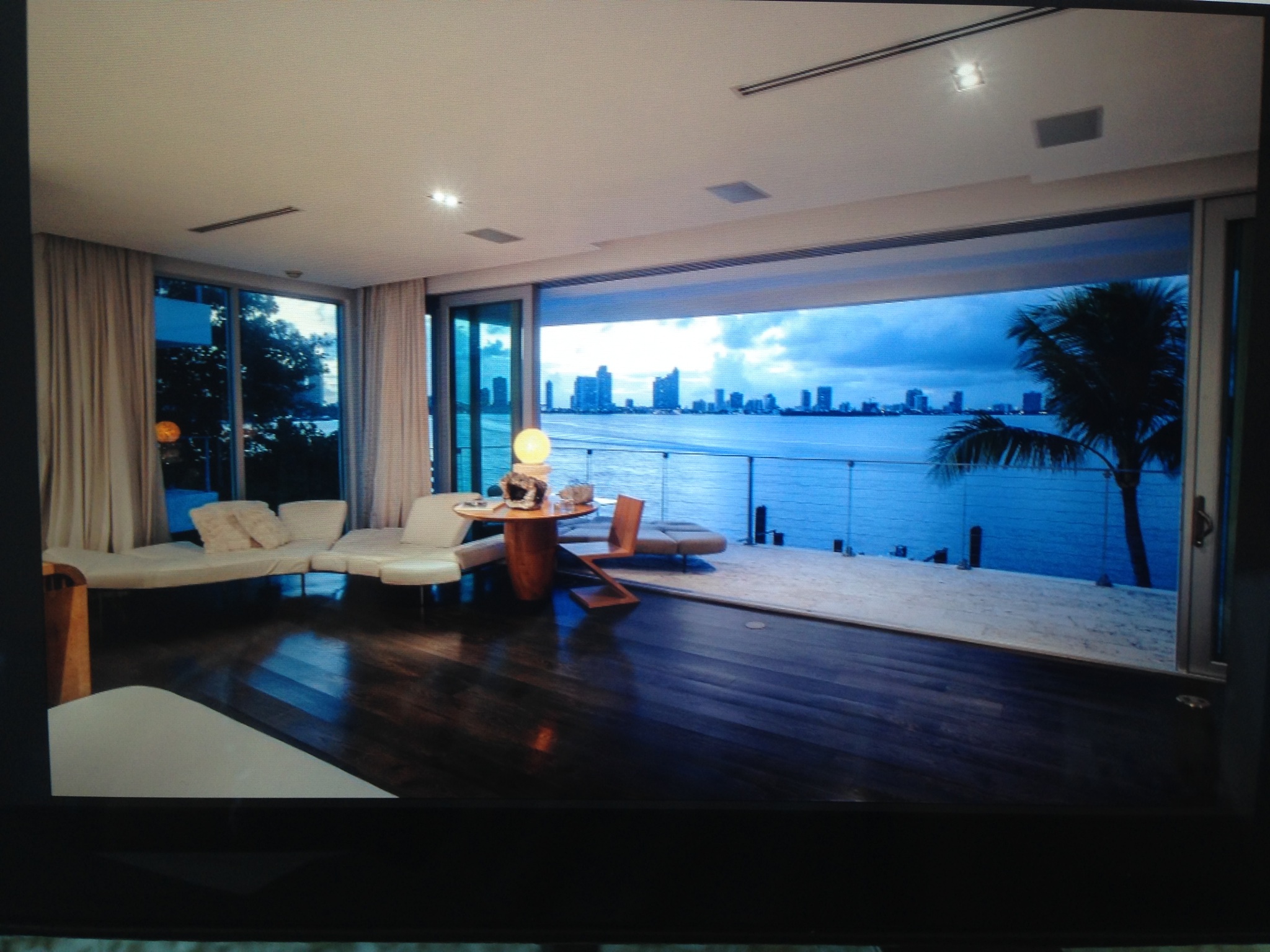
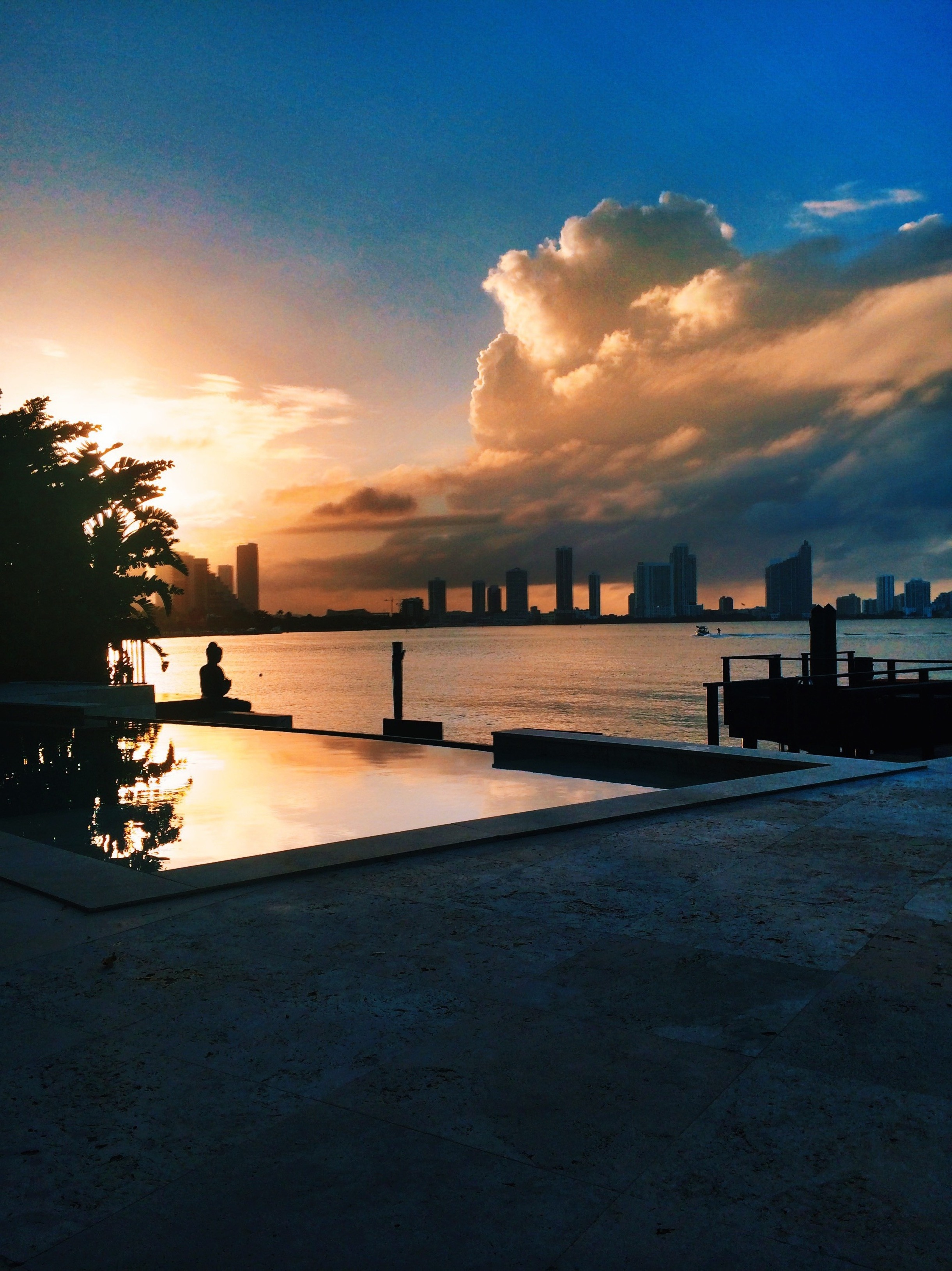
Sometime around 2006, I started a relationship with another innovator named Anthony Marotta. Who at the time owned Carefree Lifestyles. A lifestyle company that would rent out cars, boats, houses whatever you needed. He always had celebrities, athletes, and musician clients so we started doing deals together. He brought me a relationship around 2012 that would eventually change my life. A relationship that would turn into a friendship, a brotherhood that one only sees a few times in a lifetime.
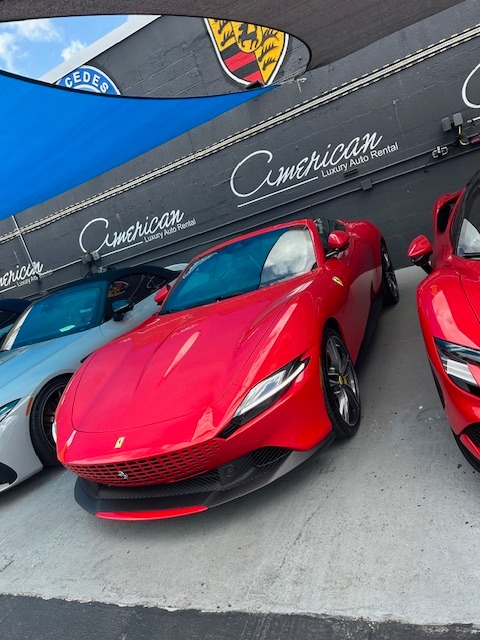
What started as a badly damaged Ferrari due to the gate at 420WSM turned into years of real estate business, countless conversations that would morph me into the man I have become, to a life saving encounter that completely changed the course of my financial well being. My father passed in 2017 and I lost a best friend, a confidant, an unbiased truth teller, only to have this relationship fulfill that void in my life for so many years. The culmination of years and years of business from 2012 till 2025 led to one of my biggest most fulfilling experiences in Miami Beach real estate sales.
It turned out that the Ferrari was actually owned by Rodney Taylor's American Luxury Auto Rental. When the Ferrari hit the gate at 420WSM, Rodney got involved — and that's how I got introduced to the man on the actual title who would end up becoming a dear friend as well.
They say you should surround yourself with people smarter than you. People that challenge you to be a better, more fine tuned version of yourself. This client, who became my brother, is the ultimate renaissance man. A gentleman. Driven, complex, polarizing, relentless, a visionary. A genius in all ways. A gifted thinker, a witty sense of humor, a brilliant charisma, and a humbleness that made me admire him all the more. The loyalty that was shown to me by this client I have never experienced in my professional career. And after all was said and done, I helped to transport his innovative company to Miami. After a not so successful first office rental that just didn't smell right, we were able to break a lease that was impossible to break, and we found ourselves on Brickell Key. We rented a temporary space at the Brickell Key Centre and then a permanent space that had to be built out in the same building and we turned into the company's corporate headquarters.
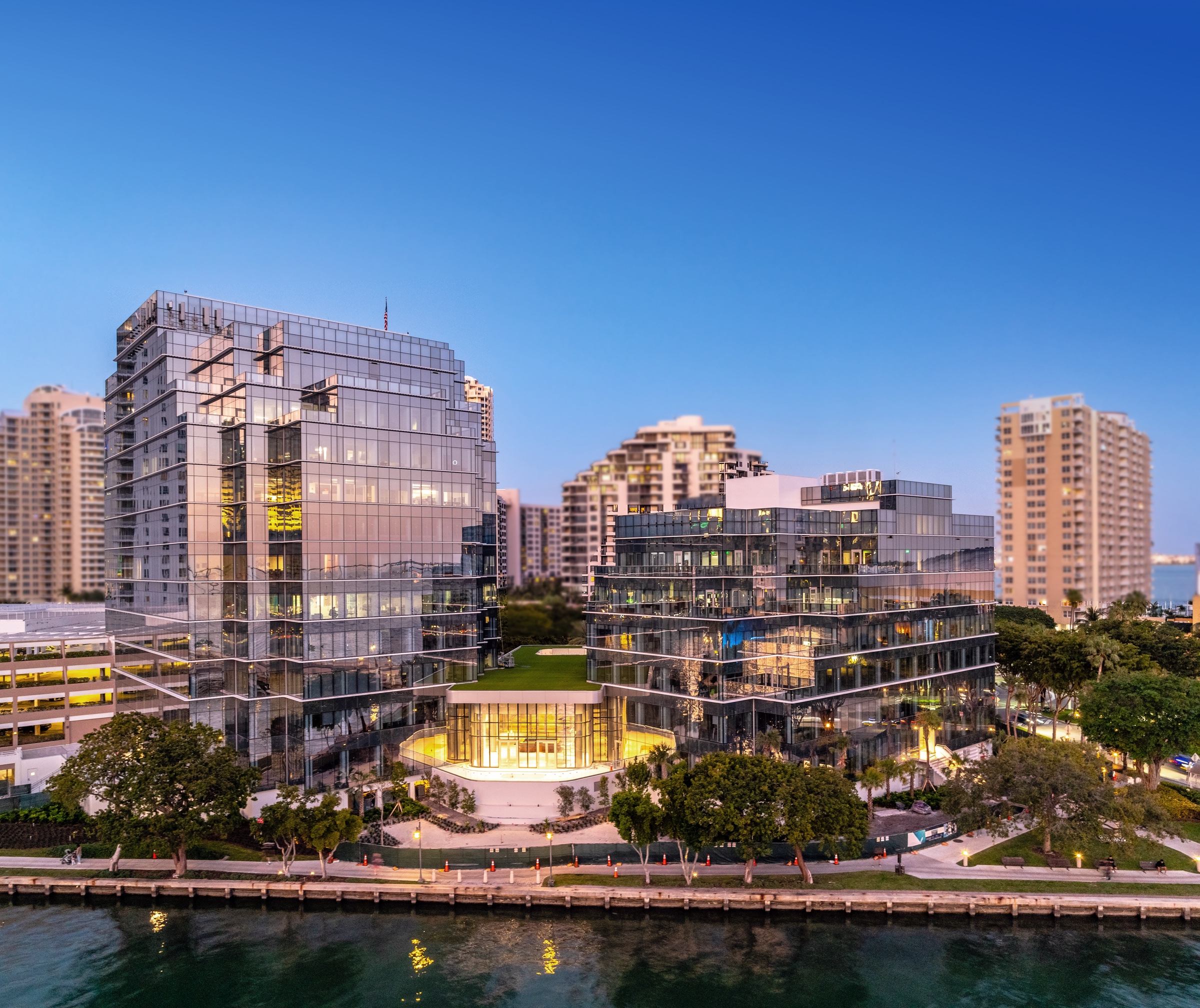
Brickell Key Centre was built by Swire as Courvoisier Centre in 1986 and 1990. The Spanish family office Masaveu bought it in 2016 and rebranded it after a $50M renovation in 2024.
Part of what I had to do to complete this corporate relocation to Miami was to find housing for a few of the big wigs in the company. One decided he wanted to look at the new Mandarin Oriental residences and before I could blink he had his private unit in the Residential tower locked up and the company bought an additional unit in the Hotel Tower. Just about $10,000,000 under contract between the two.
"One client needed offices, personal residences, condos for executives, homes for relocating staff, and a dozen rentals. I handled every single transaction personally, from A to Z. That's not a service you get from most agents. Especially not from an agent that happens to be a Protagonist."
— David Solomon
The Original Was Always Going to Come Down
The Mandarin Oriental wasn't going to land anywhere else. Miami is the only US city where Asian, Latin American, and European wealth converge on the same parcel. And now we have Americans realizing Miami is the best place to live in the United States as well. The Mandarin brand spent decades here building exactly that. Twenty-five years of international wealth knowing the brand on this corner. You don't burn that and start over in Austin or Atlanta. You rebuild it where it already worked. You rebuild in the hottest, best city in the world. The brand belonged here. The parcel belonged to Swire. The rest was just timing.
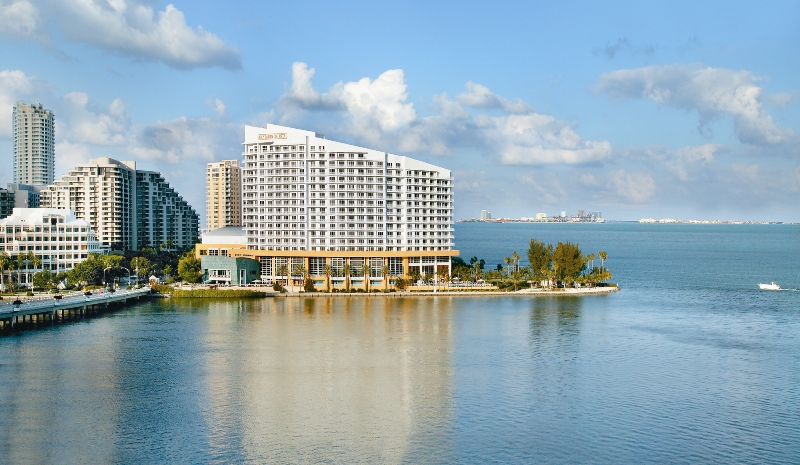
The original Mandarin Oriental on Brickell Key opened in November 2000. Hotel-only — no residences. Swire master-planned the entire 44-acre Brickell Key island, brought the Mandarin brand to Miami, and ran the hotel from 2000 until April 2026.
It worked. The Mandarin Oriental Brickell Key was the highest-rated hotel in Miami for most of that run — Forbes Five-Star, AAA Five-Diamond, every list. Celebrities, foreign dignitaries, and visiting royalty rotated through.
The land underneath the Mandarin — 4.7 acres at the eastern tip of Brickell Key with 360 degrees of water — was the most valuable parcel in Brickell. The hotel program was generating hotel-program returns. Swire owns the underlying ground; the rebuild lets them keep the Mandarin brand they spent decades building, while finally extracting residential value from the parcel.
So the original came down. The new Mandarin Oriental Brickell Key will rise as two new towers, both designed by Kohn Pedersen Fox.
"They didn't sell the land. They didn't sell the brand. They rebuilt the whole thing on the same parcel — and the Swire Hong Kong board signed off on a billion-dollar reset on Brickell Key."
— David Solomon
Before the Mandarin: How Brickell Key Got Built
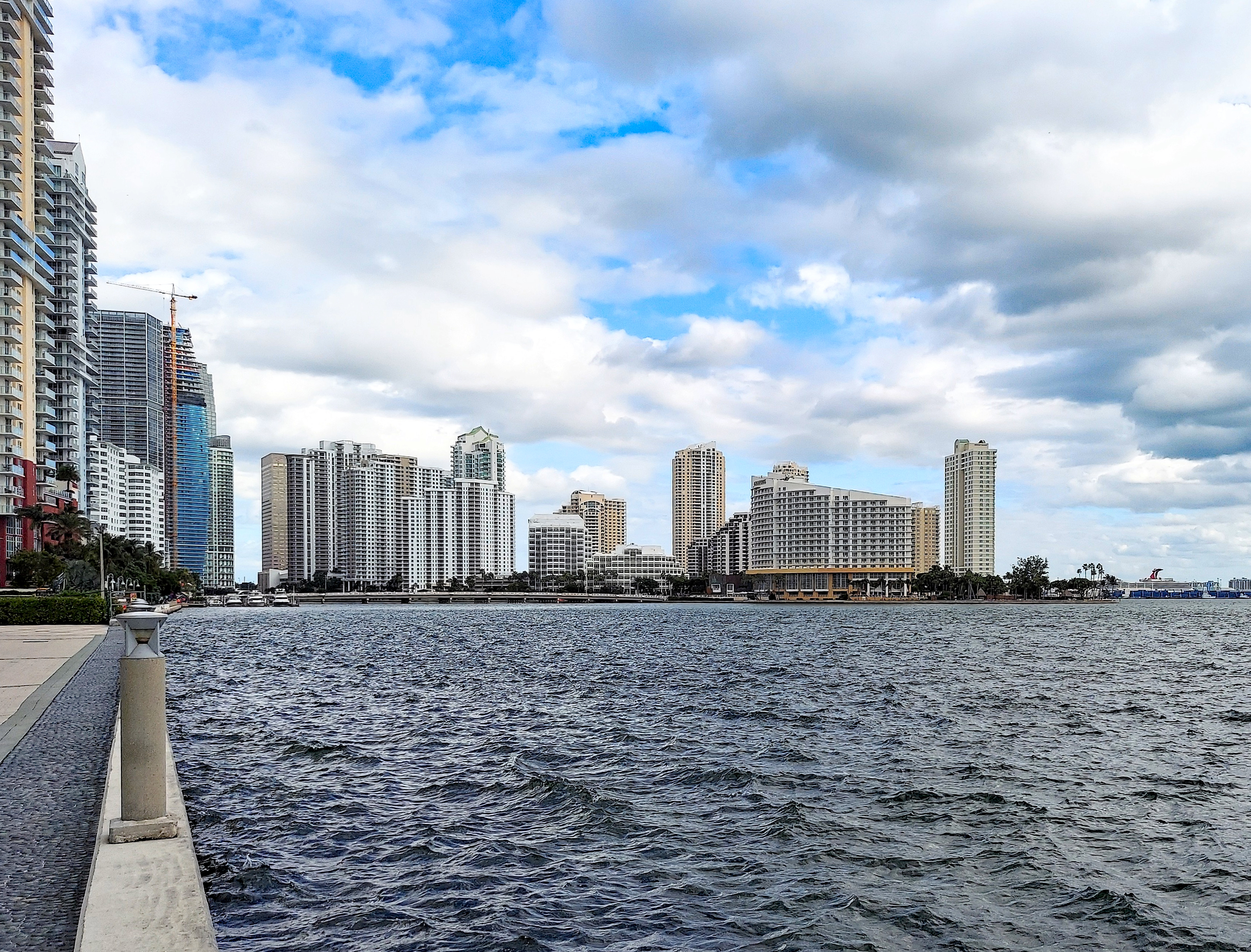
Most people who tour the Mandarin sales gallery have no idea what was sitting on Brickell Key fifty years ago. The honest answer is: nothing much.
The island is man-made. Dredging at the mouth of the Miami River and the western edge of Biscayne Bay began in 1896 as part of Henry Flagler's effort to open the river to shipping. The spoil — the sand and limestone pulled off the bottom — got pushed into a series of low islands at the river mouth. Those islands were collectively called Claughton Island, after Edward N. Claughton, the mid-twentieth-century Miami developer who consolidated the underlying parcels in 1943.
For most of the twentieth century, Claughton Island was a footnote. Mangroves, mosquitoes, the occasional fishing boat. Various holding companies passed the title around. Nobody built on it. Downtown Miami grew up across the bay, Brickell Avenue grew up to the west, and the island just sat there — a 44-acre piece of dredge spoil with no bridge and no plan.
That changed in the late 1970s.
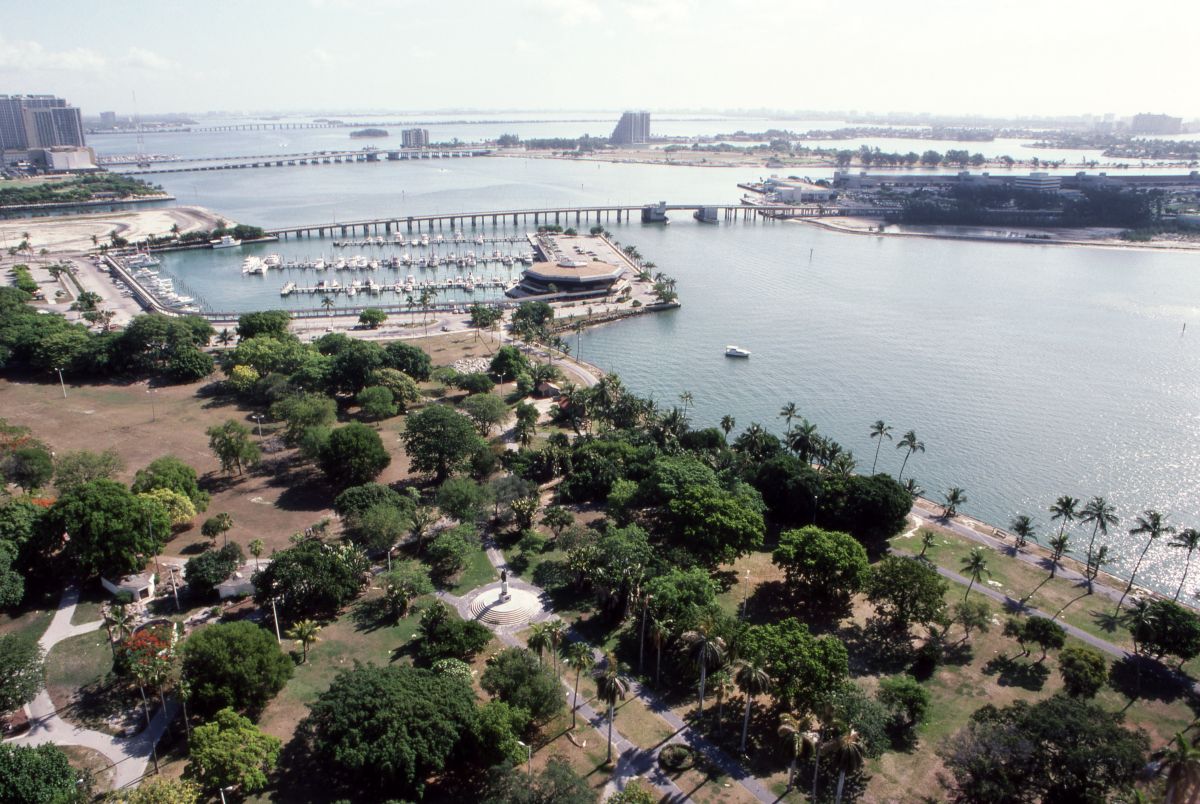
Swire Properties bought most of the island in the late 1970s. Swire is the real-estate arm of John Swire & Sons — a 210-year-old British trading conglomerate based in Hong Kong, with major holdings in Cathay Pacific and Coca-Cola's China bottling. What Swire saw on Brickell Key was a 44-acre blank canvas at the mouth of the Miami River with 360 degrees of waterfront and a five-minute walk to the heart of downtown Brickell. They paid for it, built the bridge, and started master-planning.
The build-out happened in phases. One Tequesta Point in 1995, Two Tequesta Point in 1998, Three Tequesta Point in 2001 — early-Brickell luxury, punched windows, salmon-toned exteriors. Carbonell in 2005 stepped up with more glass and larger floor plates — the moment Brickell Key pricing separated from second-tier Brickell. Asia Brickell Key in January 2008 closed the master plan: thirty-six stories, three- and five-residence floor plates, still the high comp on the island twenty years later.
In between, the Mandarin Oriental hotel opened on the easternmost parcel in November 2000 — the tip of the island, the longest water frontage, hotel-only at the time. Swire wanted a flag to anchor the eastern edge and signal what Brickell Key was supposed to be.
Celebrities, foreign dignitaries, music industry executives rotated through. The hotel was Forbes Five-Star, AAA Five-Diamond, and a consistent Best-Of-Miami fixture through its run. It worked.
Through the 2000s and 2010s, Brickell Key matured. The first wave of Tequesta Point owners — couples who bought in the mid-1990s — grew old in place. Carbonell turned over once, then again. Asia became the address for Brickell-Key whales — Latin American money, European second-home buyers, the kind of full-floor owner who flies in three weekends a year and tips the doorman in Euros.
The thing that didn't happen, between 2007 and 2024, was new construction. Nothing got built on Brickell Key after Asia. The island was full. Every parcel except the Mandarin's eastern tip had a building on it, and the Mandarin's parcel was occupied by a working hotel that was still printing money. The Brickell Key resale market just kept trading the same inventory back and forth — for seventeen years.
Then Swire started studying the rebuild.
I don't have inside access to the Swire Hong Kong board's deliberations, but the math you can reason from the outside isn't hard. The parcel itself was the most underutilized piece of land on the island — 4.7 acres of pure waterfront serving a single low-rise hotel program. And the Mandarin Oriental brand was at a global peak, with new flagships opening in New York, London, Hong Kong, and Bangkok, all of them branded-residence projects.
Swire wasn't gambling. They already owned everything. The land. The brand. The bridge. Decades of operating history. The rebuild was just an inventory upgrade.
In 2025 the original Mandarin Oriental Brickell Key closed. Demolition began. Swire announced the new two-tower KPF design.
That's how we got here.
The Implosion: April 12, 2026
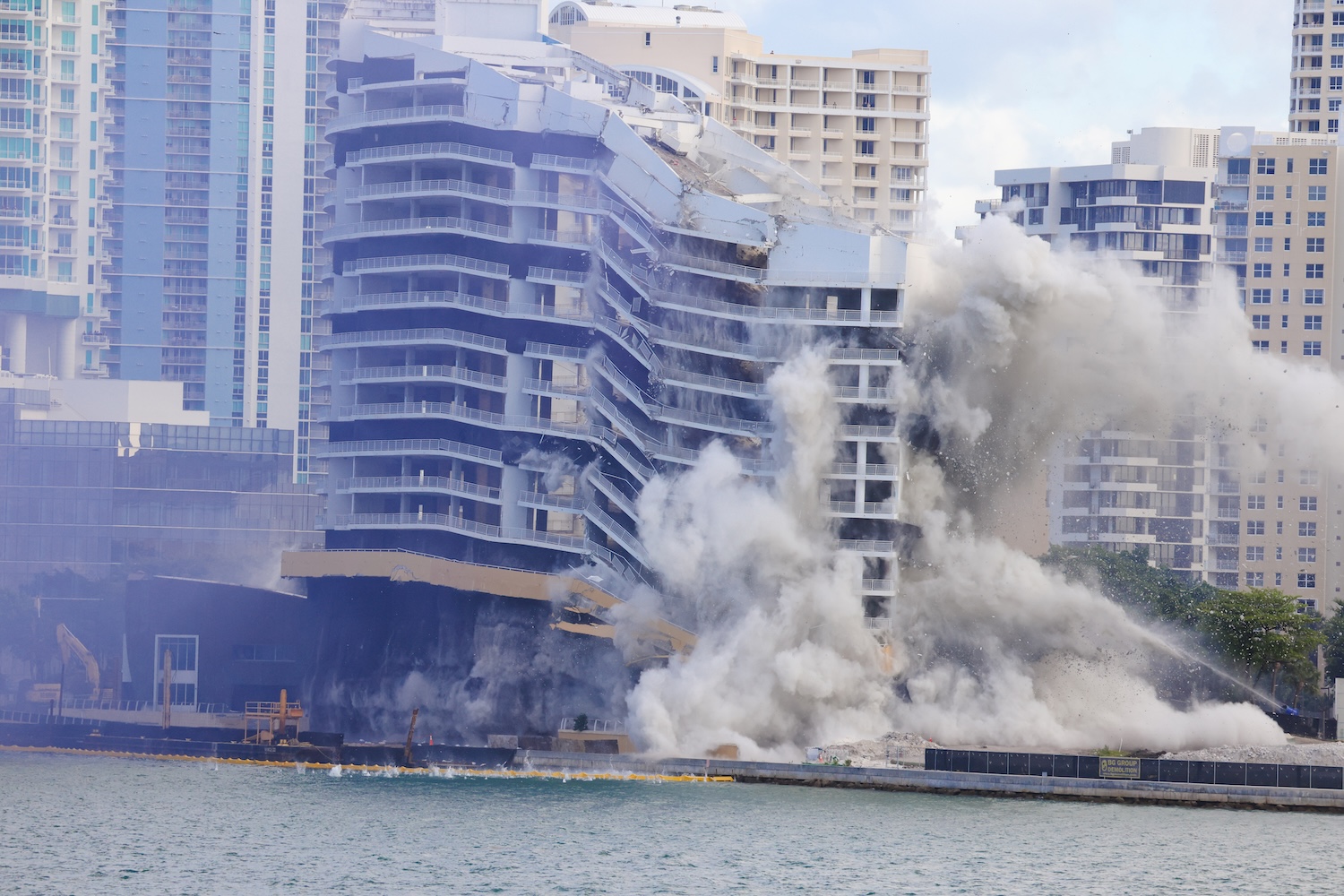
At 8:30 AM on Sunday, April 12, 2026, the 23-story Mandarin Oriental tower and the adjacent six-story parking garage came down in a controlled implosion. It was the largest implosion Miami had seen in over a decade.
The building that had defined the eastern tip of Brickell Key for twenty-five years dropped into its own footprint in under twenty seconds.
Debris removal is expected to take six months. Groundbreaking on the new KPF towers is targeted for Q4 2026. Completion is now targeted for 2030.
The project has already crossed $1.3 billion in sales volume across both towers — with more than half the South Tower sold and groundbreaking still months away. That number alone tells you what the market thinks of Swire's bet.
Two Towers. Two Different Products.
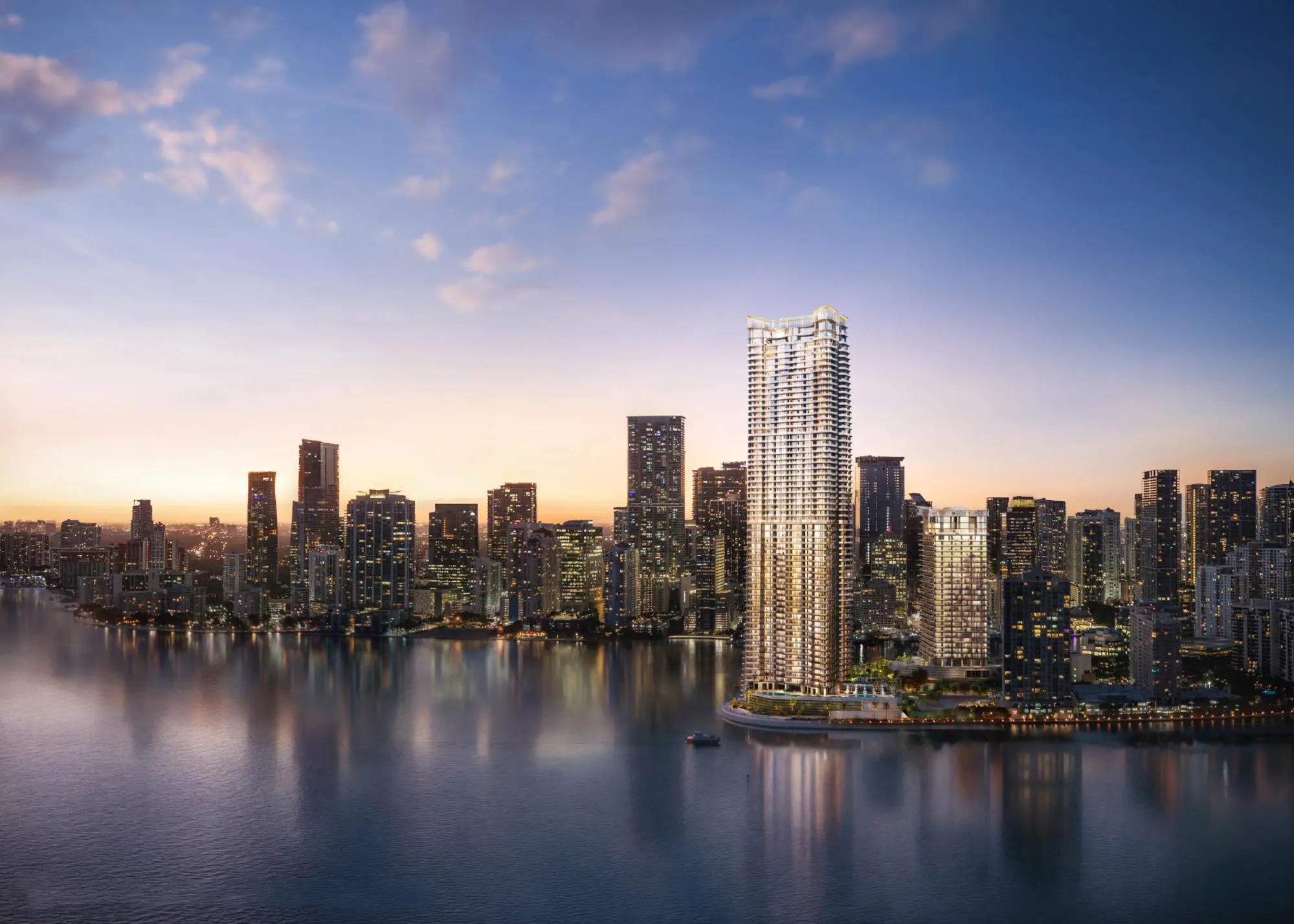
This is the part that matters for buyers. The Mandarin Oriental Brickell Key isn't one building. It's two — and they're meaningfully different products for different buyers. 298 residences total across both towers.
North Tower: 33 stories. 70 residences. Integrated with the Mandarin Oriental Miami hotel.
The new Mandarin Oriental Miami hotel anchors the North Tower at the lower floors. Above the hotel, just 70 private residences — the most intimate and exclusive product in the development. Laura Gonzalez designed the interiors. Residents share the building with the hotel operation, which means hotel-level service is one floor down: 24/7 residential team trained by Mandarin Oriental, dedicated lobbies for residents and hotel guests, valet, EV charging, full hotel concierge access.
For pricing in the North Tower, HOA fees, and deposit structure — contact me today.
This is the tower most buyers who want the lock-and-leave model gravitate to — the hotel-integrated service makes pied-à-terre ownership effortless. It's also the smaller tower, which means inventory turns over slowly and resale liquidity will be tighter at this floor count.
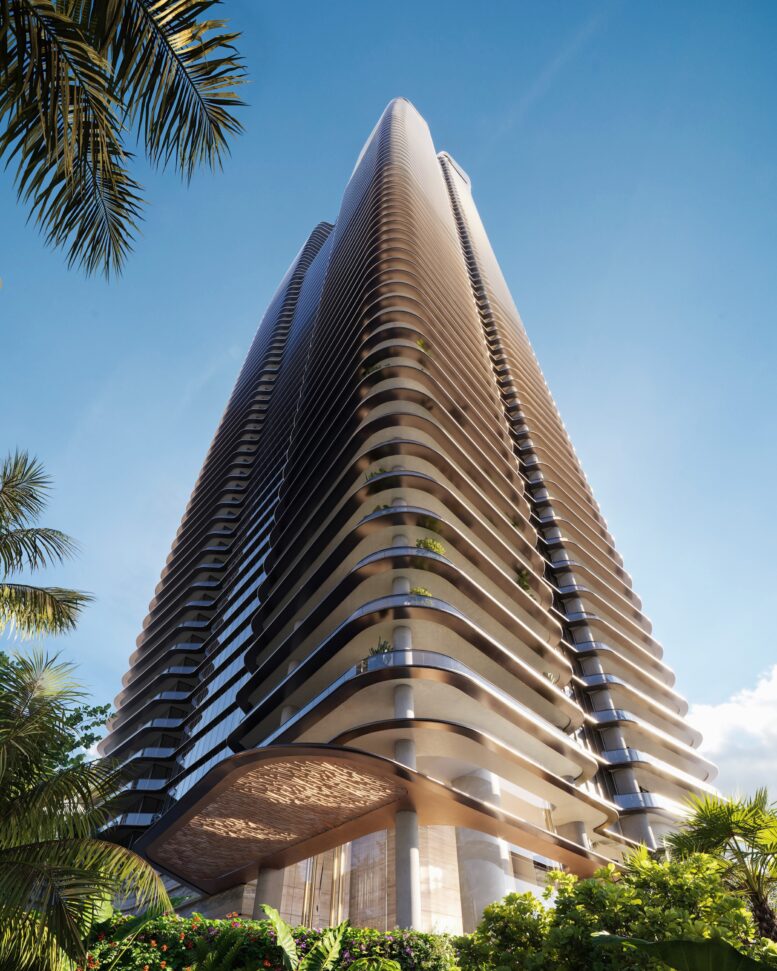
South Tower: 66 stories. ~800 feet. 228 residences. Standalone private residence tower.
The South Tower is the defining architectural statement — an approximately 800-foot landmark, 66 stories, no hotel program inside the building. 228 private residences with Tristan Auer interiors. Auer is the French-Moroccan designer behind Hôtel de Crillon in Paris and the residence of Louis Vuitton; this is his first U.S. residential project. SHMA leads the landscape design across the 5-acre waterfront site. Speirs Major handles the lighting.
Interiors: natural stone flooring, 11-foot ceilings, custom Italian cabinetry, floor-to-ceiling glass doors opening onto 12-foot-deep private terraces. Every unit gets dedicated assigned storage — a rarity in luxury high-rises that most architects skip and most owners later regret.
For pricing in the South Tower, HOA fees, and deposit structure — contact me today.
The South Tower is the choice for buyers who want scale (the entry 2BR+library here is bigger than the largest 4BR in the North Tower), who want the architectural statement (the 66-story KPF silhouette is the building you'll see from a mile away), and who don't need the hotel one floor down.
Kohn Pedersen Fox Is the Quiet Headline
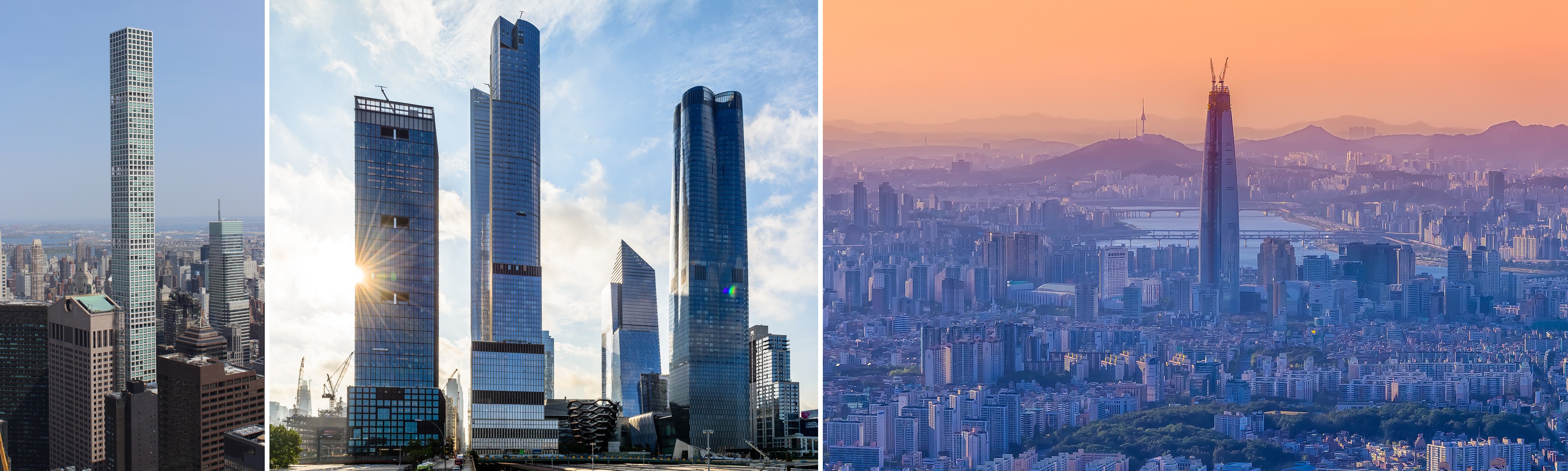
Kohn Pedersen Fox is the architect of record.
If that name doesn't mean anything to you outside a real-estate context: KPF designed One Vanderbilt, Hudson Yards, the Shanghai World Financial Center, and Seoul's Lotte World Tower. Before Swire commissioned KPF for the Mandarin Oriental Brickell Key, KPF had exactly one completed Miami building — Brickell Arch, 2004. In 22 years. Mandarin Oriental Brickell Key is their first Miami residential project. Every other KPF Miami project that's been announced — Seven Broadway, One Bayfront Plaza, Tower 36 in the Design District — came after this commission. Swire didn't just hire KPF. They reintroduced KPF to the Miami market.
The exterior reads as two crisp glass volumes, each cantilevered slightly off the lower-floor podiums, with a horizontal bridge connecting them at the amenity-deck level.
Why This Is a Great Buy
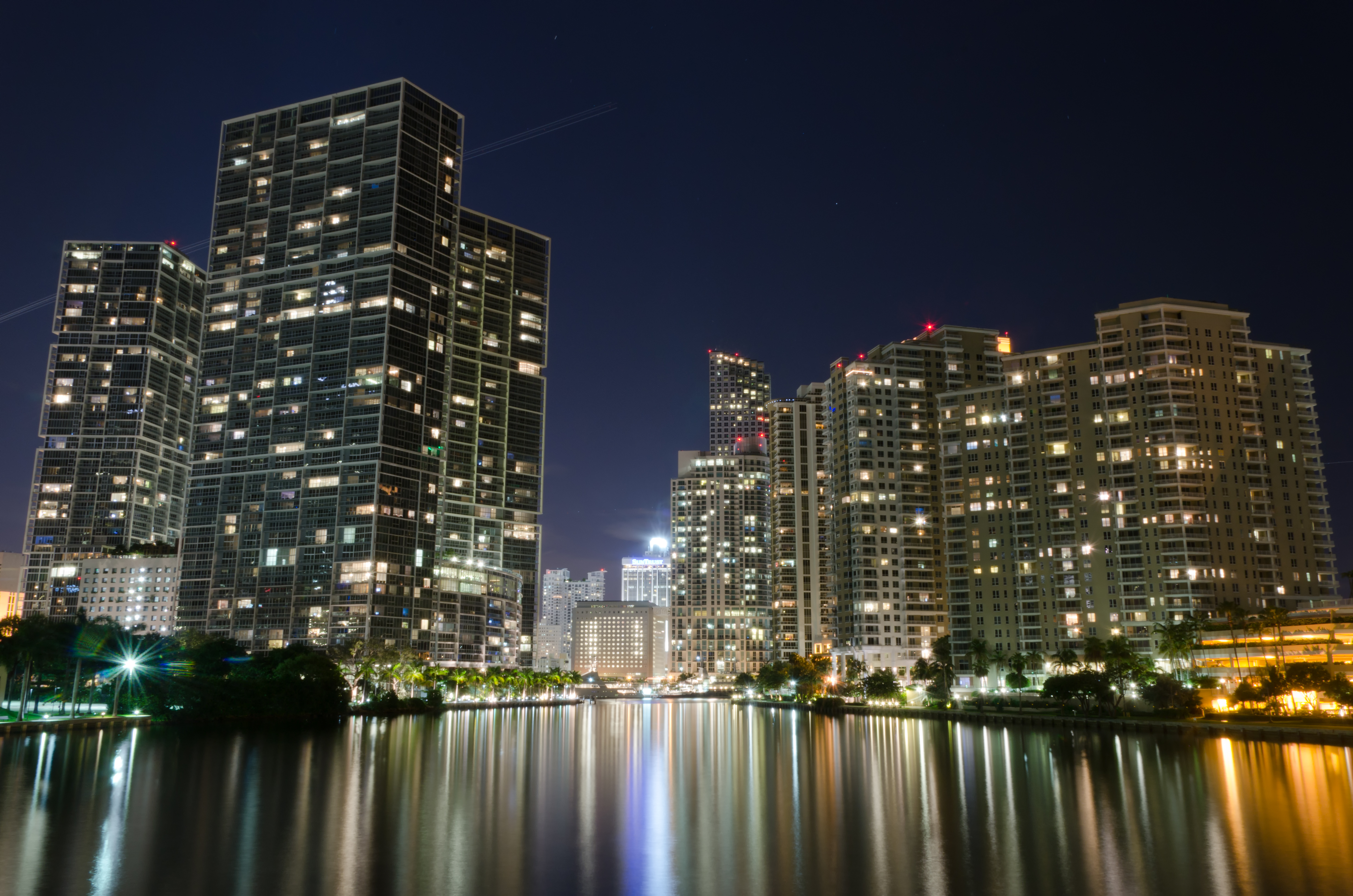
The short answer is that Brickell Key as an asset class has been undervalued for a decade and is about to get repriced.
The buyer who lives on Brickell Key knows what most Miami buyers don't: it's the only true island address in Brickell, it's the only spot in downtown Miami where you can walk to dinner past joggers and dogs instead of past traffic, and it has tighter security than any gated community in greater Miami because there's literally one way in. The downside has always been that the inventory dated. None of it priced like 2026.
The Mandarin Oriental rebuild is going to drag the entire Brickell Key resale market with it.
Tower 1 hotel-residences will reprice the smaller-unit segment. Tower 2 will reprice the larger-unit segment. Five years out, the comp set on Brickell Key will look different than it does today, and the Mandarin units will be the comps that pulled it.
What Waiting Costs You
Pre-construction pricing in Miami branded buildings doesn't sit still. Every quarter the developer holds inventory without a fully sold tower, the per-square-foot floor moves up.
Here's the receipt from my own contracts.
My client reserved the South Tower unit — on November 22, 2024. Eighteen months later, the same floor plate is pricing roughly 22% higher per square foot.
My client reserved the North Tower unit — on September 9, 2025. Eight months later, the same stack is pricing roughly 5% higher per square foot. Swire didn't formally issue the contract until February 23, 2026 — about five months after the reservation — but the price was locked at the reservation. That five-month gap between reservation and contract paperwork is normal for Swire on this project, and worth knowing if you're considering writing one.
Combine the two: across both towers, my contracts together are sitting roughly 14% below current developer pricing for the equivalent floor plates today.
That's not me being clever. That's just being earlier.
The Mandarin is mid-cycle. Construction breaks ground Q4 2026, completion 2030. That gives Swire four years of pricing moves between now and delivery — and the parcel, the brand, and the KPF pedigree all argue against pricing moving the other way. And you know that once it goes on the resale market who knows how high the prices will reach?
If you're considering the Mandarin, the question for serious buyers isn't "should I buy or wait?" It's "do I want 2024 pricing, 2026 pricing, or 2030 pricing?"
Strike now or pay the next tier.
What I Tell Buyers Who Are Looking at the Building
If you're considering it, here's the honest read.
Construction risk is real but mitigated. Swire is a publicly-traded Hong Kong holding company with the deepest balance sheet of any Miami developer. They own the land outright. They aren't going to walk away from a billion-dollar project on their own master-planned island. That doesn't mean the timeline can't slip — 2030 is the stated delivery, Q4 2026 is the targeted groundbreaking, and pre-construction in Miami slips routinely — but it does mean the building will get built.
Tower selection is the decision. I've watched buyers come into the sales gallery already convinced they want Tower 2. Once they understand the Mandarin hotel-service model, half of them switch to Tower 1. The lock-and-leave economics of a managed hotel-residence are different than what most agents brief buyers on. Get that decision right before you start picking floors.
Floor and stack selection still matters. Brickell Key's location means north-facing units look at downtown Miami, east-facing units look at the Atlantic over the Port of Miami, south-facing units look at the cruise terminals and Key Biscayne, and west-facing units look at Brickell proper. There is no bad view in this building, but there are very different views — and the price-per-foot gap between stacks reflects that.
The comps for these two Mandarin Oriental Towers are going to blow away the entire South Florida market. The buyers who move now write the comps. Everyone else pays them.
My Pick of Current Inventory
If you're seriously looking at the Mandarin and want my honest opinion on which specific unit is the best deal right now — based on price per foot, sun exposure, view orientation, floor-plan efficiency, future resale prospects, and the units I'd buy with a third contract if I were writing one today — message me and I'll send a personal breakdown.
The Mandarin has 298 residences across two towers. Of those, only a fraction at any moment is genuinely worth writing about. I'll tell you which ones.
Send me a message below.
— David Hunt Solomon
Want to talk about the Mandarin?
Tell me what you're looking for. I'll bring the rest.